







We are witnessing a pivotal moment as Bitcoin’s price drop reshapes the economic landscape of the US. Understanding these Bitcoin economic trends is crucial for investors, policymakers, and businesses as this cryptocurrency’s decline echoes beyond its market, influencing broader economic dynamics.
The Implications of Bitcoin’s Economic Trends
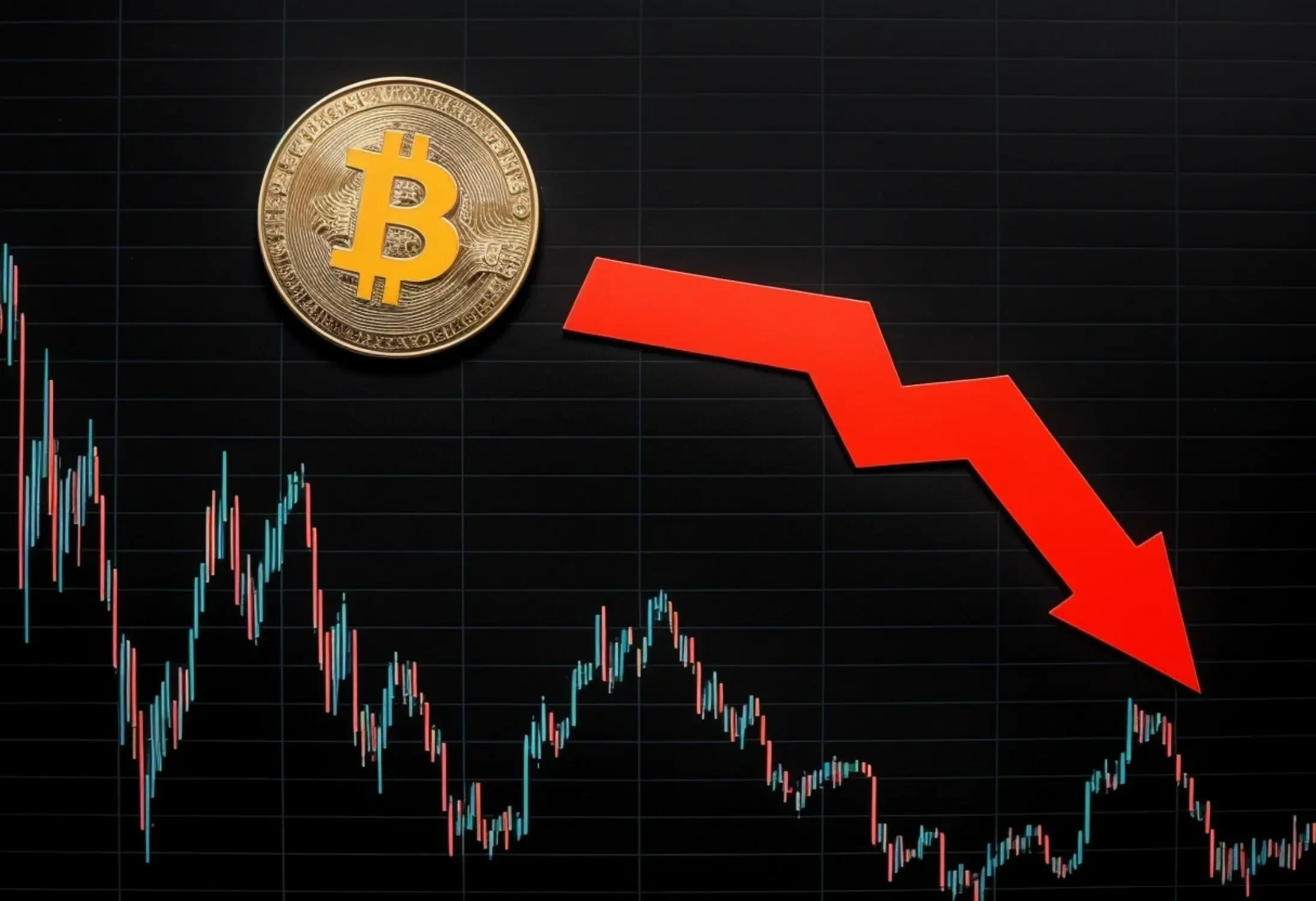
The recent decline in Bitcoin’s value has significantly affected market sentiment, instigating a wave of uncertainty among investors. As Bitcoin touches new lows, concerns about its sustainability and future viability have surfaced, leading to anxiety across financial markets. According to recent reports, the price of Bitcoin has lost nearly half of its value since its peak, which in turn fosters a cautious attitude toward cryptocurrency investments.
Market volatility associated with cryptocurrencies can have profound implications for investor behavior. For many, the drastic fluctuations push them toward safer assets, while others may see this decline as a mere opportunity to buy at lower prices. This behavior exemplifies the broader implications of Bitcoin on the traditional financial markets, as investors recalibrate their strategies in response to shifting price dynamics.
Furthermore, the ripple effects can lead to extended shifts in asset allocation among institutional investors, impacting equities, commodities, and other asset classes. Heightened caution in the crypto market often spills over into traditional investment areas, creating a climate of volatility that policymakers must navigate carefully.
Factors Behind the Recent Bitcoin Price Drop
Understanding the trajectory of Bitcoin requires a look at the factors contributing to its recent price drop. Regulatory concerns have emerged as a major issue, influencing investors significantly. As new regulations loom on the horizon, market participants are weighing the potential impacts of governmental oversight on Bitcoin’s future. Many investors continue to withdraw from Bitcoin-related funds, reflecting worries about stricter regulations that could impact their portfolios adversely. Recent analysis highlights that investors have withdrawn approximately $5.7 billion from spot Bitcoin ETFs as they reassess their risk exposure amidst these uncertainties.
Moreover, external economic influences play a pivotal role in Bitcoin price fluctuations. With interest rates increasing in many economies, the atmosphere for speculative investments like Bitcoin can become less favorable. The interconnectedness between cryptocurrency and broader economic health cannot be overstated.
Current State of the US Economy Amidst Bitcoin’s Decline
The health of the US economy is intricately tied to the performance of its markets, including the crypto sector. Currently, the stock market exhibits mixed signals as it contends with the fallout from Bitcoin’s decline. The S&P 500 showed a remarkable rebound recently, rising by 2%, while the Dow Jones Industrial Average also managed a surge of over 1,200 points. Nevertheless, amidst this recovery, Bitcoin still lingers below the $70,000 mark after dropping significantly in earlier weeks.
Economic experts argue that while Bitcoin’s decline creates a scenario of uncertainty, it could also expose underlying weaknesses in the tech sector and broader market. As businesses reassess investment strategies in light of Bitcoin’s volatility, attention turns to the sectors that remain interlinked with the crypto economy.
Crypto Market Analysis: Trends and Predictions
Examining the current state of the crypto market reveals a landscape riddled with potential yet fraught with challenges. Bitcoin’s downturn signifies not merely a loss in value but a fundamental shift in the trading environment. Observing historical trends, many analysts predict a continued period of volatility in the crypto sector, possibly leading us into what has been termed a ‘crypto winter’.
Investor behavior will likely adapt as traders become more cautious, moving funds away from volatile assets into perceived safe havens. The current analysis shows that trading volumes have diminished, illustrating diminishing interest in cryptocurrencies, especially Bitcoin. This shift necessitates that investors remain vigilant and adaptable to emerging trends that could alter the dynamics of the market quickly.
Economic Impacts of Bitcoin on Traditional Markets
The economic impacts of Bitcoin’s fluctuations extend deeply into traditional market sectors, creating a complex web of interdependencies. As confidence in digital currencies wavers, investors increasingly withdraw from Bitcoin-related financial products, causing a ripple effect across sectors. Traditional financial markets like stocks and ETFs often react to Bitcoin’s performance, leading to synchronized rises and falls in asset classes.
Furthermore, Bitcoin’s decline raises questions about its relevance in the investment portfolios of larger financial institutions. With waning interest in cryptocurrencies, institutions may find it challenging to justify allocations toward such volatile asset classes. This could ultimately lead to reconsidered strategies regarding exposure to other high-risk assets.
Actionable Insights for Investors and Businesses
In navigating the changing landscape influenced by Bitcoin, investors should consider diversified strategies. As the market conditions shift, the emphasis should be on not allowing a single asset class to dominate one’s portfolio. This diversification could involve investing in a mix of equities, bonds, and commodities that have historically shown resilience against crypto fluctuations.
Moreover, staying informed about regulatory developments is essential for making educated investment decisions. Understanding the evolving landscape can provide critical insight into which assets might see appreciation or depreciation as new laws come into effect. Businesses, especially those intertwined with cryptocurrencies, must remain agile in their strategies to withstand the negative impacts of a diminishing Bitcoin market. By recognizing the broader economic ramifications, they may better position themselves for success in an uncertain financial climate.
About The Author





More Stories
Why Bitcoin’s Price Fluctuations Are About to Change Everything in Today’s Economy
Why Job Growth Is About to Change Everything in Cryptocurrency
Why XRP’s Trading Surge is About to Change Cryptocurrency Investment Forever